My DjangoCon Europe 2026 experience
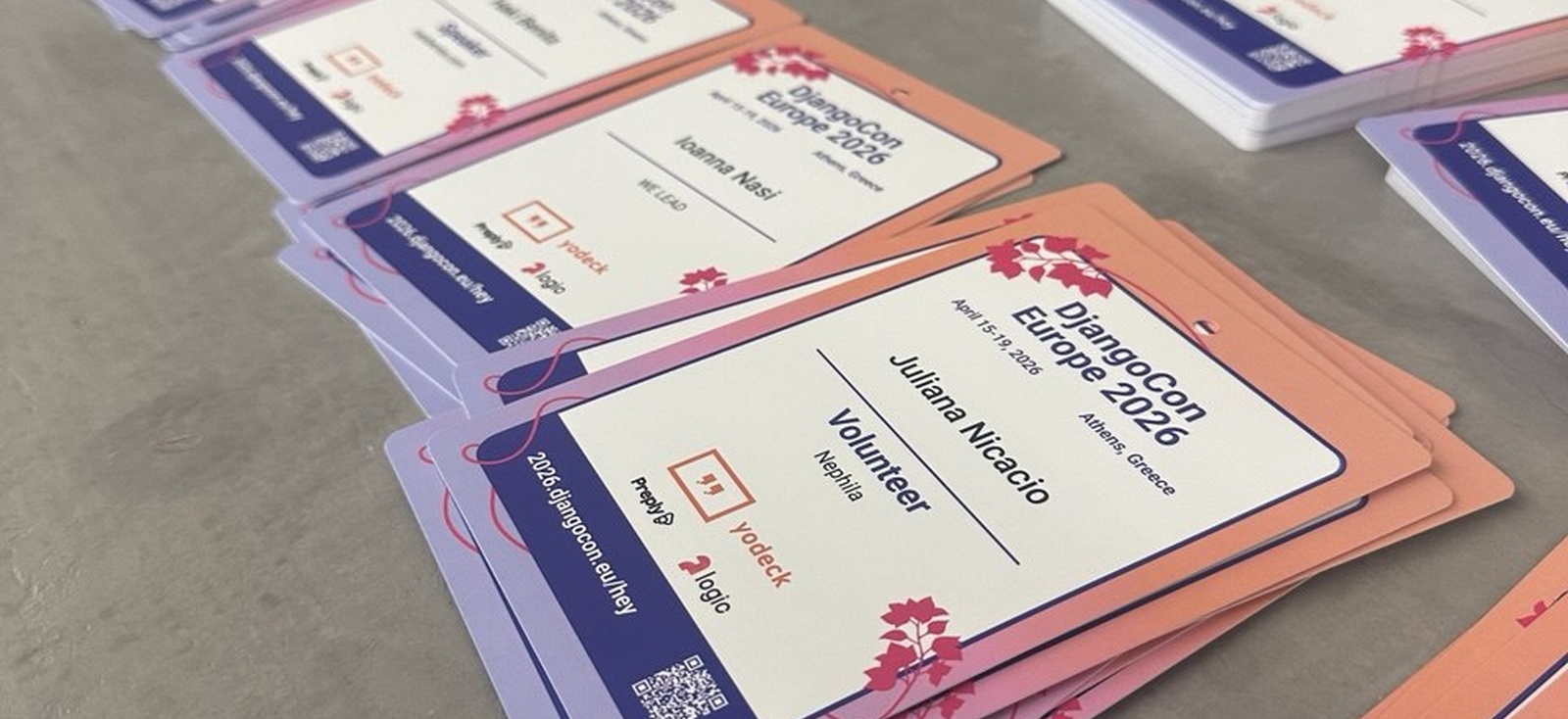
We have been part of the Django community for a long time. We contribute to the ecosystem, support events, and try to show up where things happen. This year, we sponsored DjangoCon Europe 2026 in Athens as a bronze sponsor, and two members of our team were there. One of them, Juliana, joined not just as an attendee but as a conference volunteer. What followed was her first time at DjangoCon, and an experience that turned out to be far more than she expected.
I didn't expect to get involved in many new community activities this year.
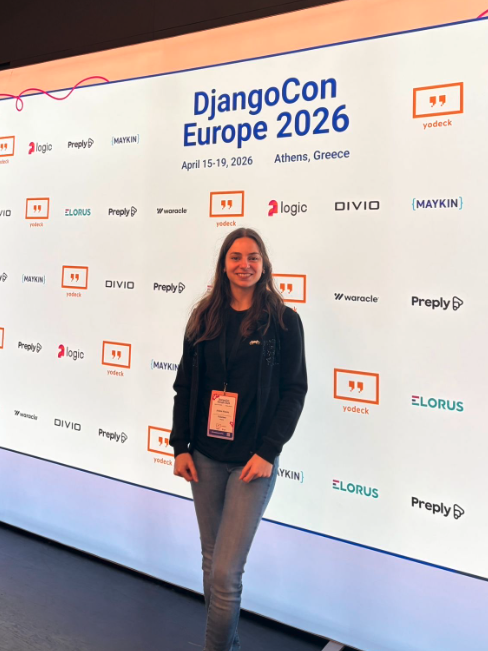
It all started when I helped at the Python and Django booth at FOSDEM in January, it was a dedicated Python Software Foundation, Europython Society and Django Software Foundation booth. Then on April, I also had the opportunity to volunteer at DjangoCon Europe conference, which was my first time ever attending the conference, and also my first time in Greece.
What made it meaningful
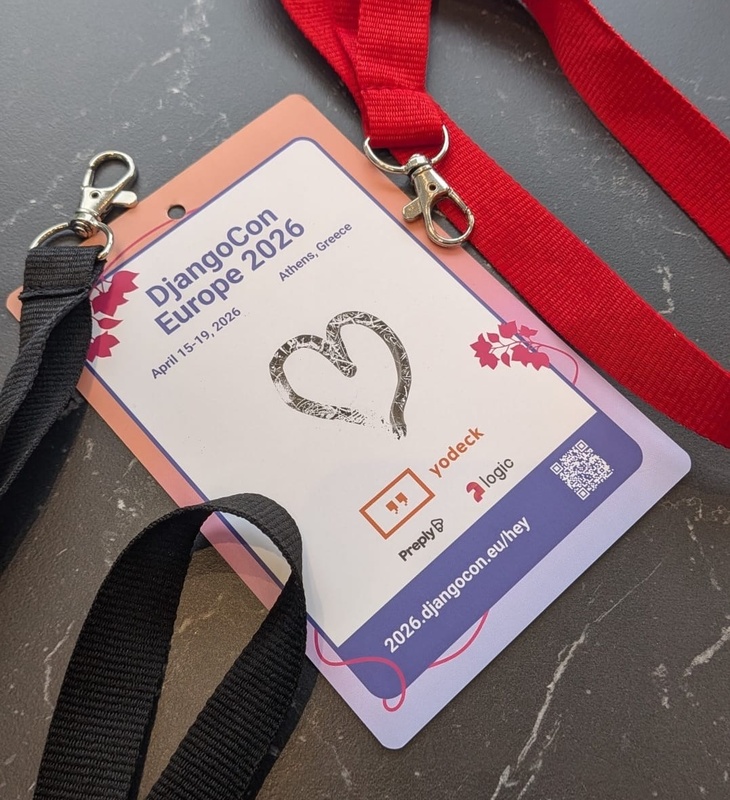
What made this experience especially meaningful for me was feeling like part of the community, not just a visitor. Helping out and meeting people made everything feel much more personal and connected.
Compared to PyCon, which brings together a very broad Python audience, DjangoCon feels much more focused if you're working with Django. Most of the people you meet are directly involved in the same ecosystem, which makes it easier to connect, share experiences, and have more specific conversations.
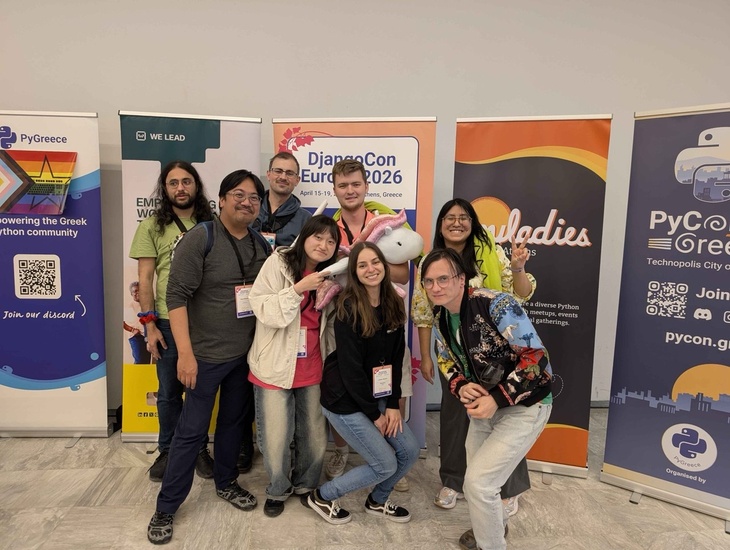
Another part that made the experience special was where I stayed. I shared a place with people from the community, including members of the Django and Djangonaut Space programs. That meant the community wasn't just something happening at the conference, it was also part of daily life outside of it.
Volunteering at DjangoCon Europe 2026: the role of Main Stage Runner
The volunteering experience started even before the conference officially began. The day before, we had a volunteers meeting where we helped with some final preparations. It was also my first time seeing the venue, the Athens Conservatoire, which made a great first impression. The space was beautiful, well located, with areas for registration, the main amphitheater, workshop rooms, and a large space for sponsors and networking.
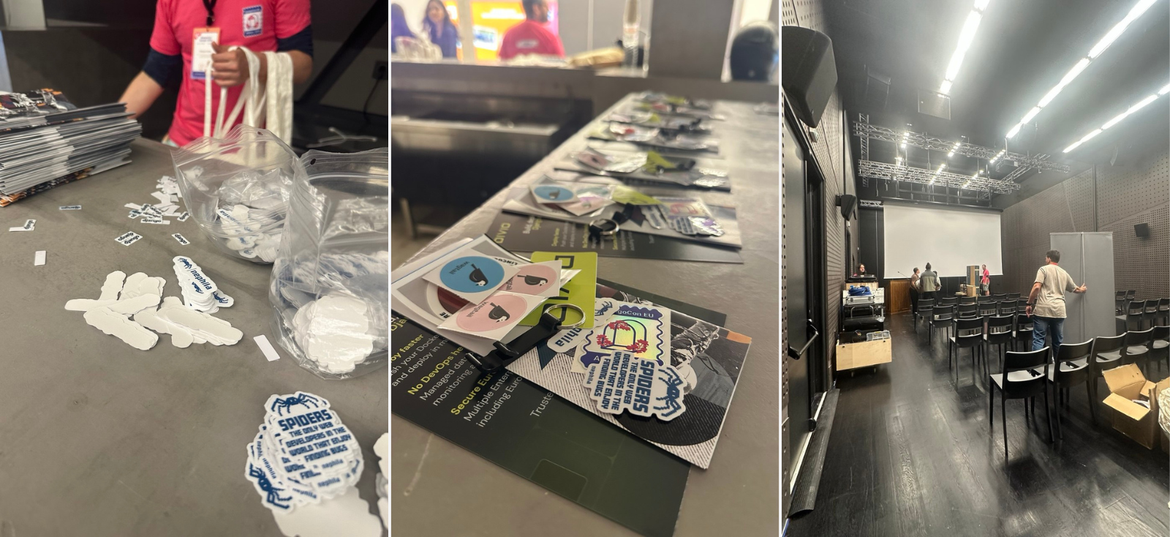
Later that evening, I joined the Django Social event, a relaxed and well-organized meetup before the conference. It was a great way to start meeting people early and ease into the event.
My original role was supposed to be Room Manager, which involves checking badges and helping manage seating. However, due to a small schedule change, I switched to being a Main Stage Runner. This role was more dynamic, I helped wherever needed, especially during Q&A sessions, bringing microphones to people who wanted to ask questions.
At first, I was a bit nervous about being on stage and in front of an audience, even if I didn't have to speak. But in the end, it turned out to be a really valuable experience. It pushed me slightly out of my comfort zone and helped me feel more confident in that kind of environment.
Talks, Django background tasks, and the people I met
I really enjoyed all the talks I managed to attend. One of the best things about a conference like DjangoCon is that you're surrounded by experienced professionals sharing high-quality content.
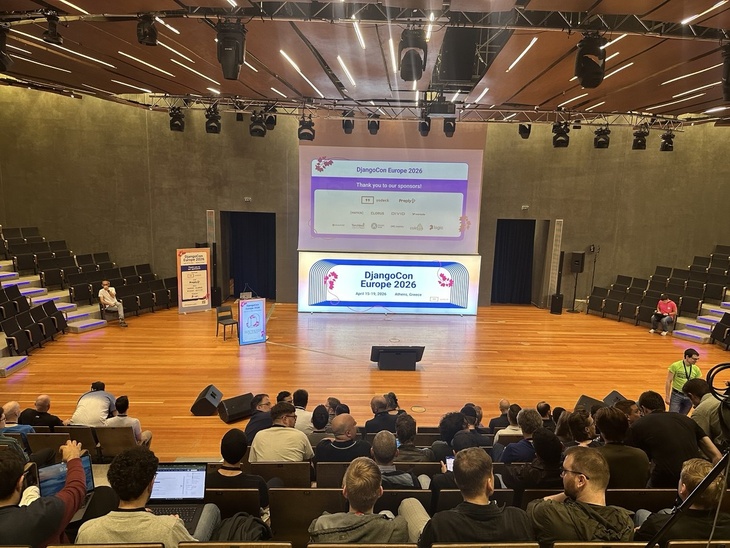
The talk that stood out the most to me was by Haki Benita, titled "Reliable Django Signals." I found it especially interesting when he presented his approach using Django tasks in Django 6, it gave me a new perspective on the use of background tasks.
Beyond the talks, the networking aspect was just as valuable. I enjoyed every conversation I had, even the short ones. I had the chance to meet people like Fabian Braun and Jacob Rief, and we talked about Django CMS and django-formset. I also had a really interesting conversation with Jan Gondol about space, which was a fun and unexpected topic.
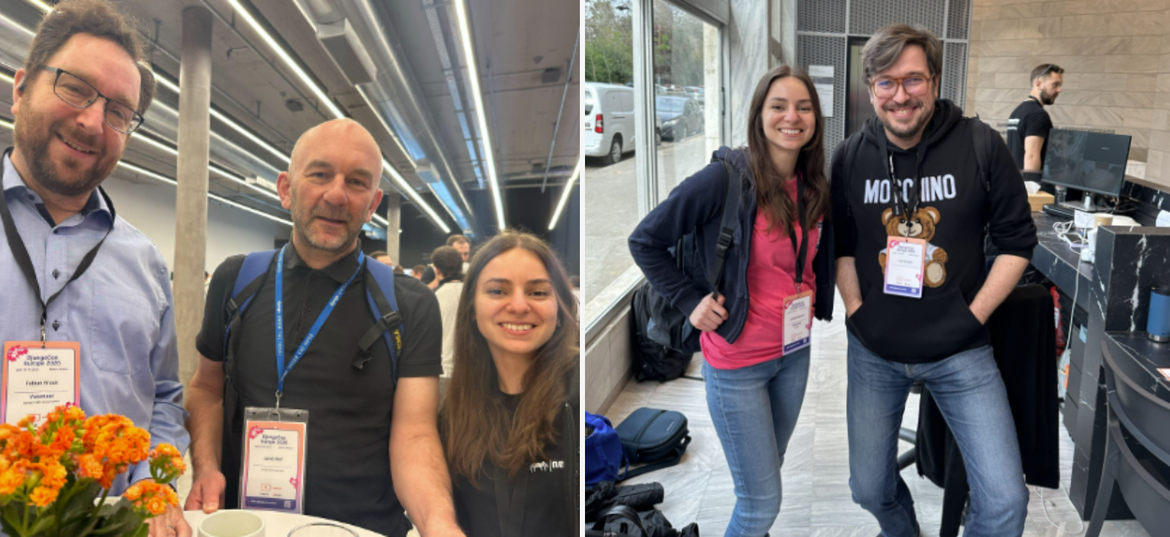
Another memorable moment was meeting Jake Howard, kindly introduced by my former colleague Paolo Melchiorre, and having a brief conversation about the new Django 6.0 background tasks feature, which he proposed and implemented. It was especially meaningful for me, since it gave me valuable input for the talk I later gave to PyCon Italia on that same feature.
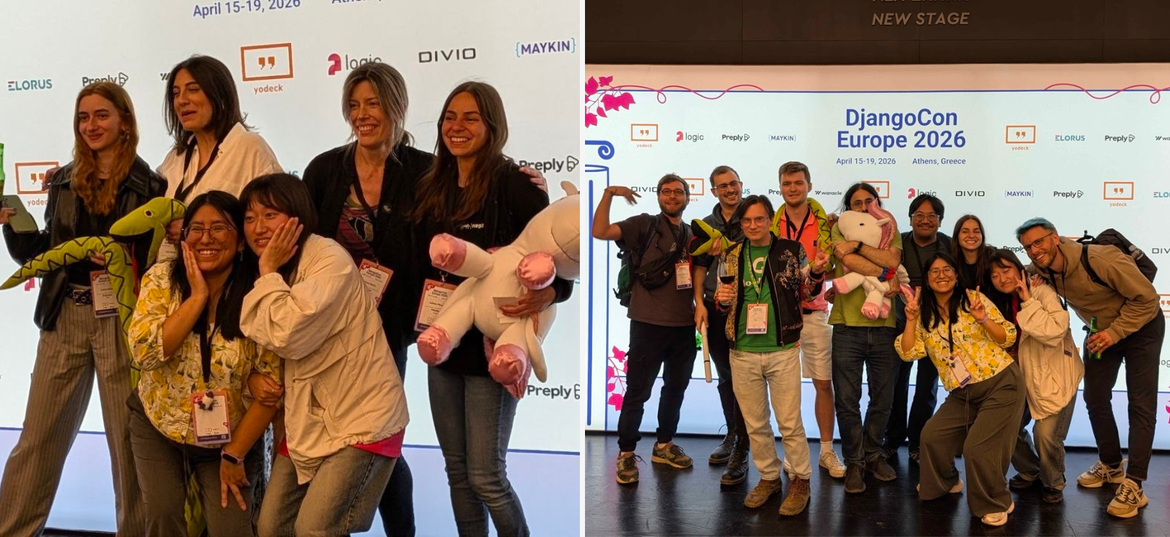
Last but not least, I simply had a great time being around amazing people. That, more than anything, is what made the whole experience memorable. We even had a Djangonaut Space dinner together, which was a really nice opportunity to spend time with everyone in the program, relax, share stories, and connect outside of the conference.
What I took away from this experience
Overall, this trip wasn't just about attending a conference. It became a mix of community, learning, travel, and unexpected cultural experiences that made it much more meaningful than I initially expected. Many thanks to the conference organizers, the volunteers, the friends and people I shared this experience with, and everyone who helped make this event happen.
Stories like Juliana's are part of why we keep showing up at community events. DjangoCon Europe 2026 was one of them, and it brought back some of the same energy we felt when we helped organize DjangoCon Europe 2017, almost a decade ago. The community changes, grows, and keeps producing exactly the kind of experiences she described here.
If you want to follow how we engage with the open source world, or get a closer look at what working at Nephila looks like in practice, this blog is a good place to stay. More stories from open source communities are coming.